In 3 points:
Elvis Presley's rights holders and the publisher of Eminem's early songs sued Suno, the AI music generator, for copyright infringement and cloning vocals without permission.
You may also likeDemocrats push to scrutinize Trump's AI policyThe two federal lawsuits were filed Nov. 6 in the U.S. District Court for the Northern District of California, the same week Suno faces other lawsuits from UMG, Sony and more than 60,000 recordings.
Elvis' lawsuit first invokes Tennessee's ELVIS Act, a 2024 law that prohibits unauthorized AI voice cloning.
Two Lawsuits, Two Types of Claims
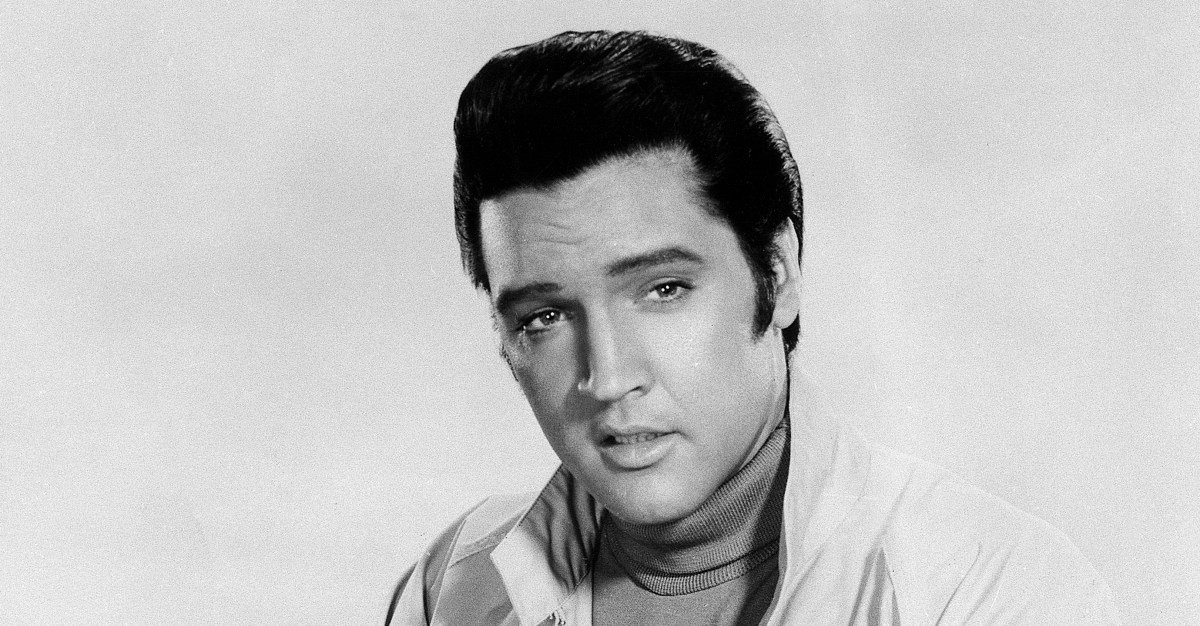
The first lawsuit, filed by Elvis Presley Enterprises, Authentic Brands Group, Raleigh Music Publishing and other rights holders, accuses Suno of infringing 859 Presley works — from "Can't Help Falling in Love" to Chubby Checker hits — and violating the ELVIS Act by allowing users to generate tracks that mimic Presley's voice. Lawyers allege that Suno produced two songs featuring Presley's vocals on Oct. 7, with only a few lyrics and his name spelled out letter by letter, and attach 38 recordings that they say copy his voice. One of them, "Elvis in The Jailhouse Rock," has more than 125,000 streams.
You may also likeNvidia chips banned from China boost DeepSeek AI modelsThe second lawsuit, filed by Eight Mile Style and Martin Affiliated, controllers of 269 Eminem compositions (including "Lose Yourself," "Without Me," "Till I Collapse," "The Real Slim Shady," and "Stan"), accuses Suno alone of copyright infringement. Eminem is not a party to the case. Eight Mile Style is seeking approximately $41 million in damages and claims that Suno built "its entire business model based on copyright infringement on a scale never seen before."
The legal framework: the ELVIS Act and the context of previous lawsuits
Presley's lawsuit is one of the first major pieces of evidence of Tennessee's Ensuring Likeness, Voice and Image Security (ELVIS) Act, a 2024 law that protects artists from unauthorized commercial use of their voice, image, and likeness, specifically targeting AI voice cloning. Damages in this case could exceed $50 million, and the plaintiffs want to triple that because Presley served in the U.S. military.
These lawsuits add to a pile of litigation pending against Suno: record labels Universal Music Group and Sony Music Entertainment (which are looking to add more than 61,000 recordings to their case), independent publisher Round Hill Music, Reservoir Media, and a class-action lawsuit led by Jason Isbell. Warner Music Group settled its case against Suno last year and signed a licensing agreement with the company. Authentic Brands Group also sued Anthropic last month, alleging that Claude was coached on 274 Presley songs without permission.
You may also likeNvidia chips banned from China boost DeepSeek AI modelsSuno's response
A spokesperson for Suno, Cat McCormack, told The Verge, "Suno exists to help people create new and original music, not to trade on anyone's name or likeness, and we prohibit any unauthorized use of an artist's work. To protect against this, we do not allow requests with specific artist names or songs, and we work with third-party vendors to review audio files and lyrics for potential misuse. We are always working to strengthen our protective barriers and will continue to add new safeguards that protect artists and our users."
The lawsuits also accuse Suno of "stream ripping" — copying audio from YouTube with tools that circumvent its encryption — and cite leaked code that they claim shows Suno collected 2.06 million artist records from YouTube Music and 6.98 million pages of lyrics from the site Genius, partly through the data firm Bright Data.
Own Angle: What It Means for Mexico and Latam
You may also likeNvidia chips banned from China boost DeepSeek AI modelsFor the region, this case marks a key precedent in the global battle over copyright and generative AI. AI music platforms operating in Mexico and Latin America should closely monitor the outcome of these litigations, as a ruling against Suno could lay the groundwork for similar regulations in the region on the use of protected works in the training of AI models and the protection of the voice and likeness of local artists.
What's next
Monitor Suno's response to the two lawsuits, the progress of the UMG and Sony cases with the additional 61,000 recordings, and any precedent-setting rulings on whether training AI models with unlicensed protected recordings constitutes fair use.
Sources:
You may also likeNvidia chips banned from China boost DeepSeek AI modelsYou may also likeNvidia chips banned from China boost DeepSeek AI modelsImage: The Verge.