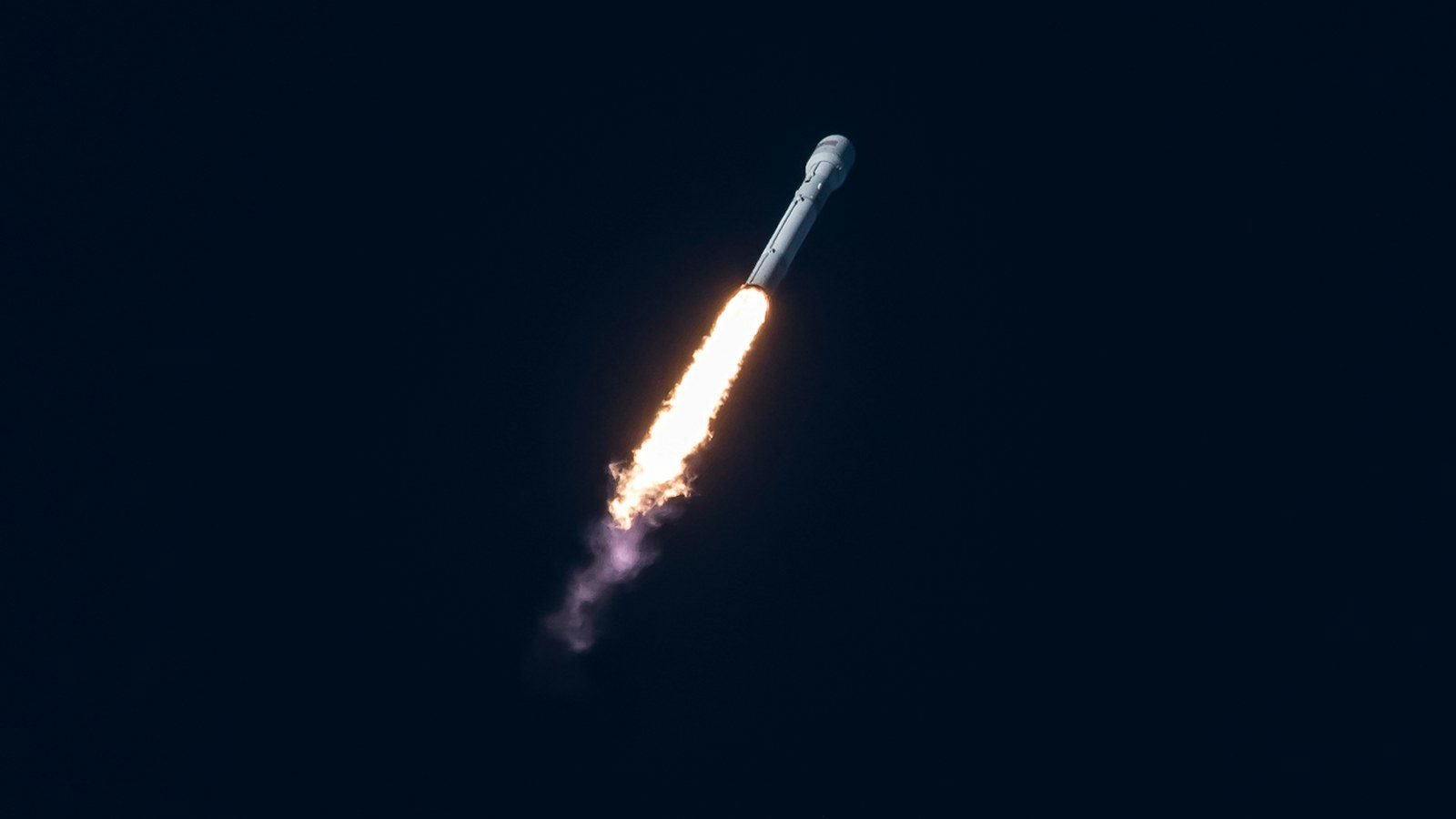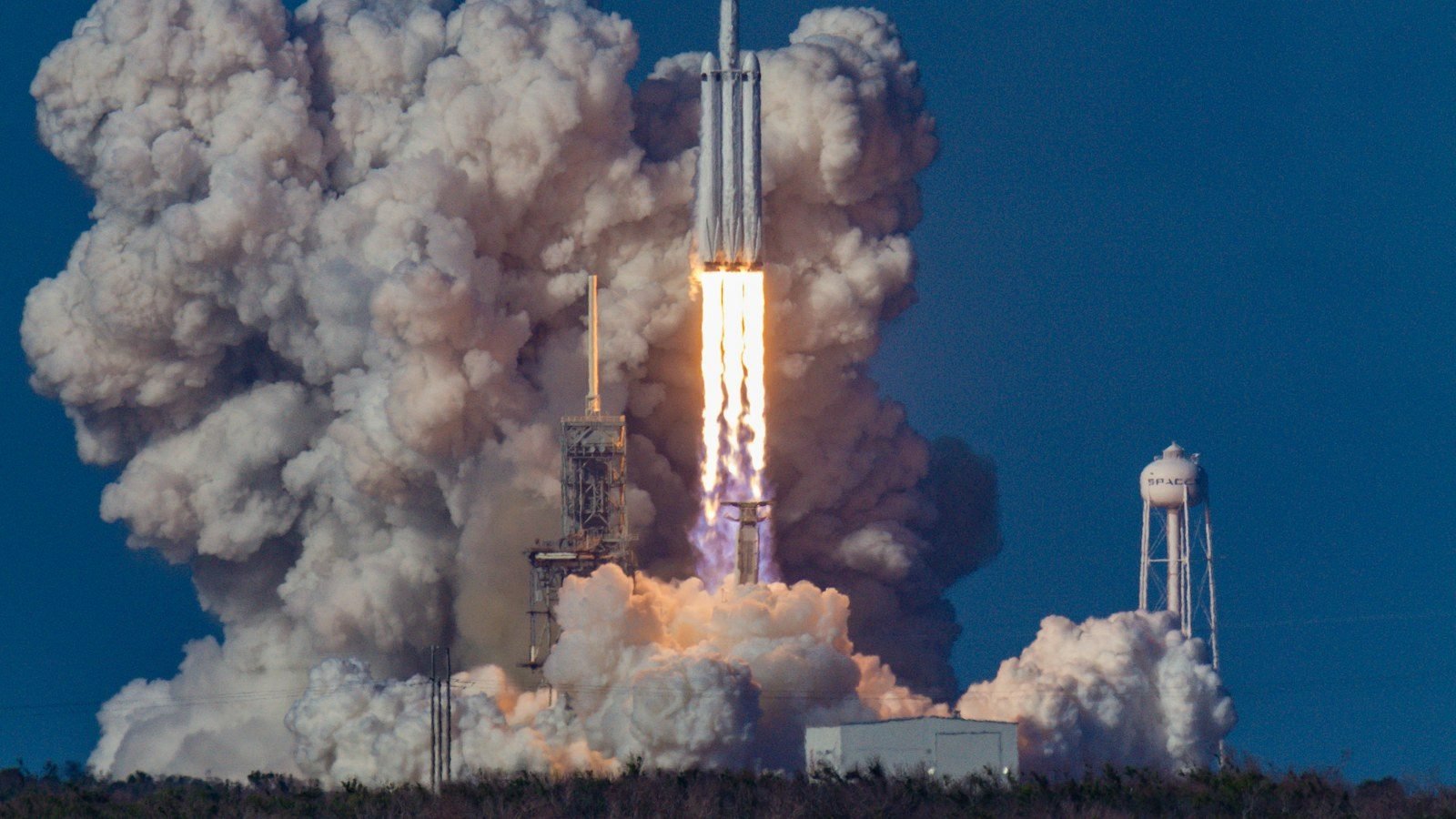
SpaceX successfully completed its 13th test flight of the Starship, the largest rocket ever built, successfully deploying 20 Starlink V3 satellites into orbit. The mission, however, was not without technical problems that are reminiscent of the challenges still faced by Elon Musk's company.
The most critical moment came during the Super Heavy's propulsive landing in the Indian Ocean. The booster's Raptor engines had trouble restarting for the braking maneuver, a recurring failure that has complicated the rocket's recovery plans. Although the upper Starship reached its target orbit, booster recovery remains a major technical challenge.
You may also likeAWS says data centers in space won't be viable for 10 or 20 yearsThe deployment of the 20 V3 Starlink satellites represents an important advancement for SpaceX's internet constellation. The V3s are the third generation of satellites with enhanced bandwidth and coverage capabilities. With this launch, SpaceX continues to expand its network of more than 6,000 active satellites that already serve millions of users around the world.
This flight comes at a crucial time for SpaceX, which is facing pressure from both NASA — which relies on Starship for the Artemis program — and competitors such as Blue Origin and Rocket Lab. Each test flight is an opportunity to solve engineering problems, but also a race against time to demonstrate the reliability of the system before manned missions.