Amazon Web Services CEO Matt Garman claims that data centers in space are "highly unlikely to be economically viable or practical in the next decade or two." Garman said as much on Alex Heath's Sources podcast, published Nov. 10, where he addressed the feasibility of bringing AI infrastructure into orbit.
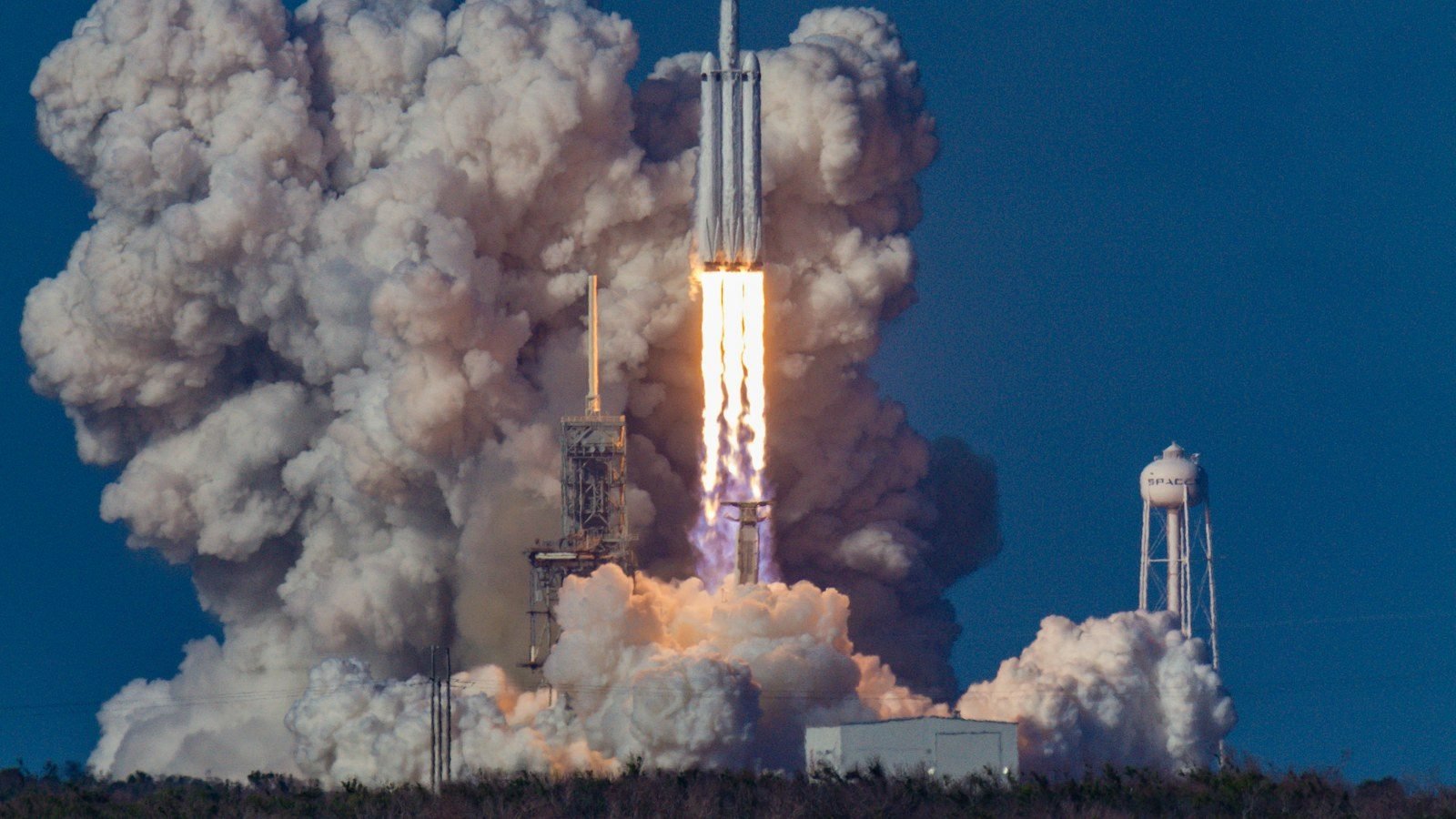
Garman pointed to current launch limitations: "As a world we don't do even one launch a day today." AWS is adding a GPU every 14 seconds and still expects capacity shortages over the next couple of years. For him, a single daily launch is the necessary starting point to make space data centers feasible.
You may also likeRobot assembles structure in orbit for the first time without astronautsThe AWS executive also pointed out the physical challenges: A rack of GPUs can weigh a ton, and dissipating heat in space is difficult because there's no air. "There's also radiation everywhere, so you have to build things. It's going to be a lot more expensive from a service standpoint," he explained.
Of the three locations being proposed—space, oceans, and deserts—Garman sees deserts as by far the most likely option. Even at that rate, AWS expects to run out of capacity for years to come.
For Mexico and Latin America, the conclusion is clear: terrestrial computing capacity will remain the main bottleneck for at least a decade. Countries in the region that invest in ground data infrastructure, energy, and connectivity will have a competitive advantage while space data centers remain a distant prospect.
While Garman acknowledges that all of these issues are technically solvable, he stresses that many improvements will be needed in launch economics, cadence, and cooling before orbital computing ceases to be science fiction. Sources:
You may also likeStarship will attempt its first double capture on Friday the 13thYou may also likeStarship will attempt its first double capture on Friday the 13thCover credit: Thumbnail generated from the attached video of the Telegram channel @aipost.