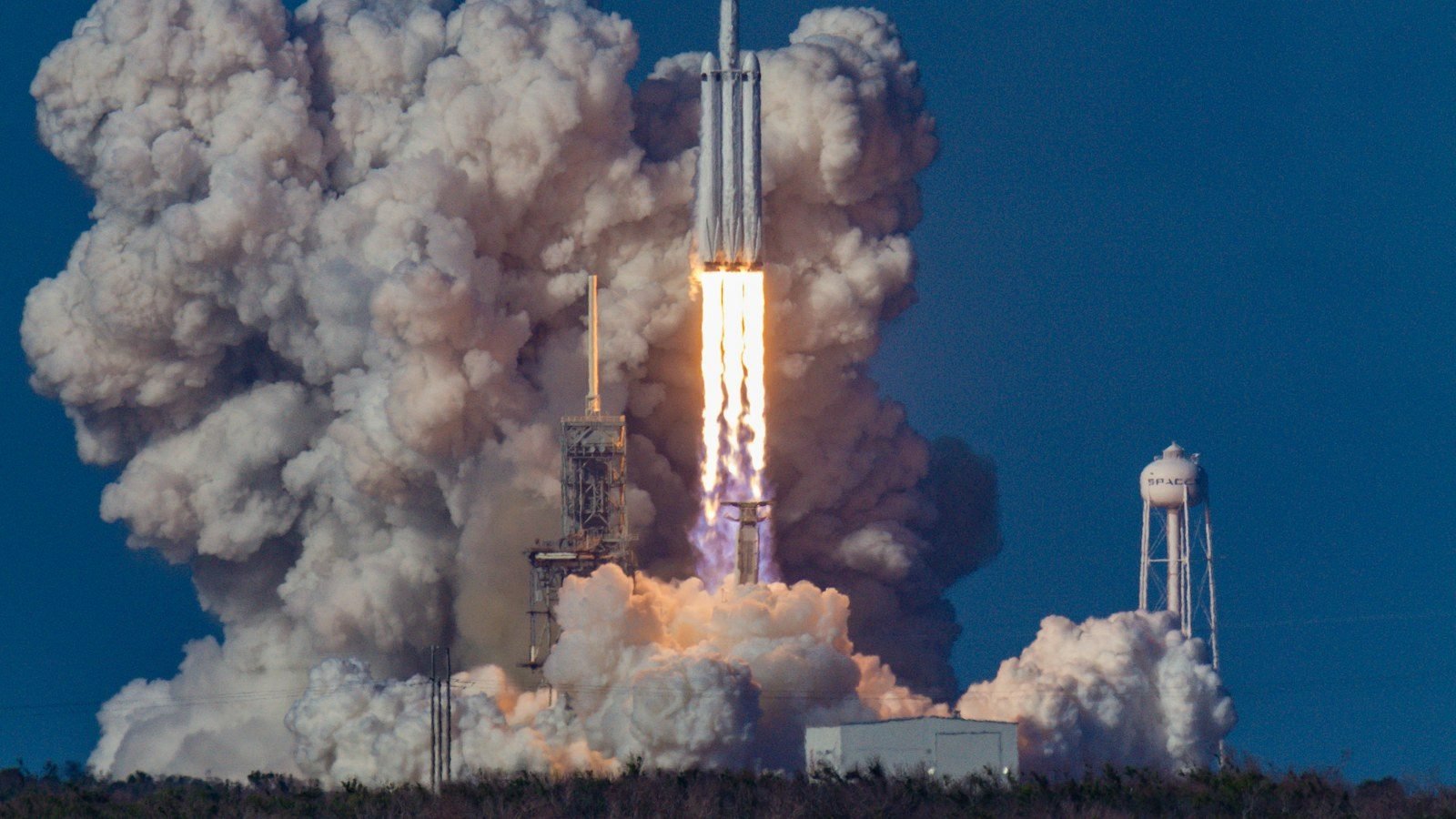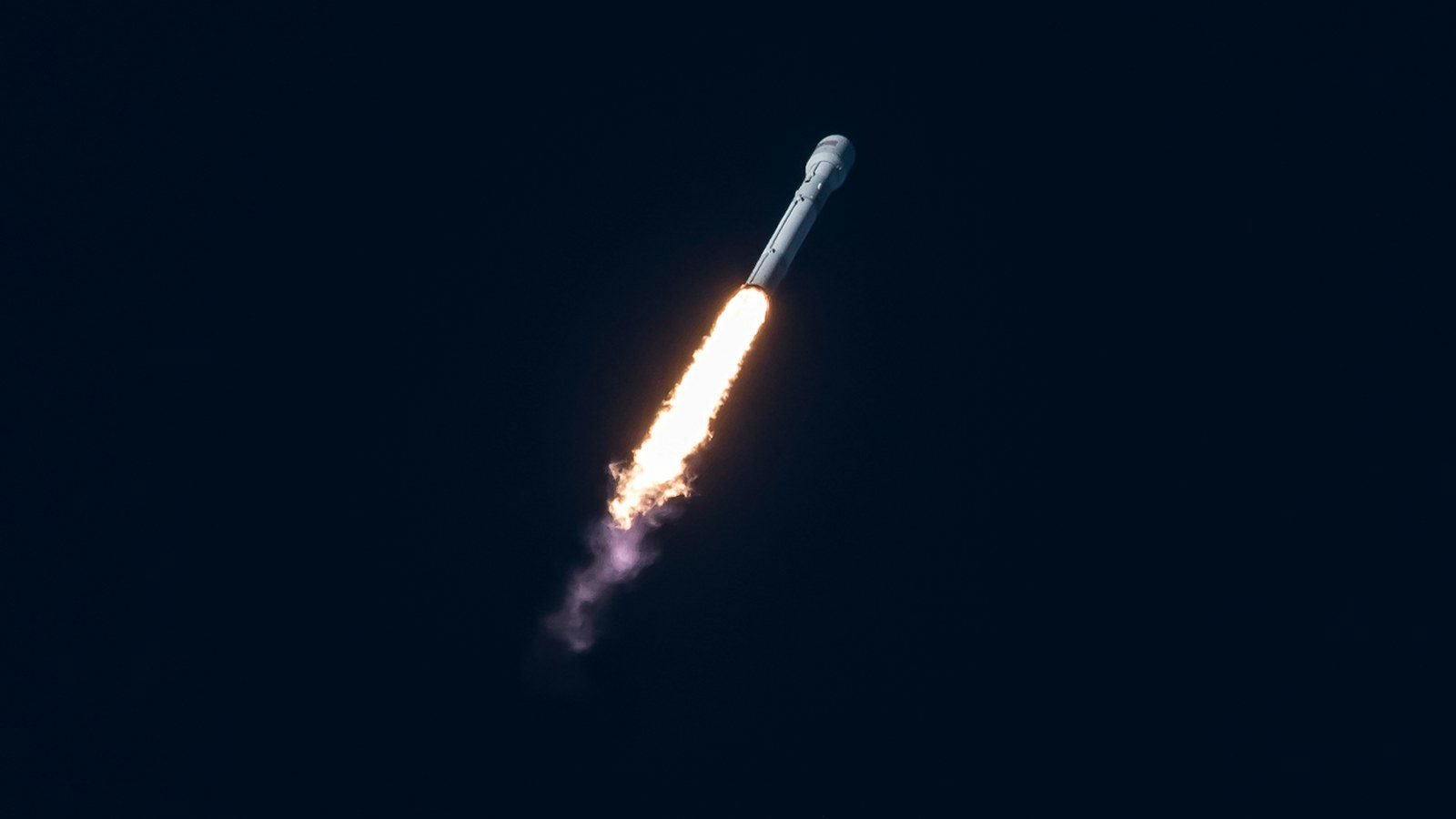
SpaceX completed the launch of a new generation of Starlink V3 satellites, the most advanced in its internet constellation, but the mission ended with another stumble: The rocket's booster failed again during the descent attempt, marking a troubling pattern in the company's reusable operations.
The V3 satellites represent a significant technological leap — they are lighter, have higher bandwidth capacity, and are designed to operate in lower orbits, promising reduced latency and improved coverage for Starlink users around the world. The deployment was successful, but the problem with the thruster overshadowed the achievement.
You may also likeAWS says data centers in space won't be viable for 10 or 20 yearsThis is the second consecutive failure of the descent propulsion system, raising questions about the reliability of the recovery mechanism that is central to SpaceX's business model. Reusing rockets has been the backbone of Elon Musk's strategy to cut costs, but repeated failures could force costly overhauls.
SpaceX has not issued an official statement on the cause of the failure, but analysts suggest it could be related to problems with the next-generation Raptor engines . The company faces increasing pressure to maintain reliability as it accelerates the pace of launches — it already has more than 80 missions in 2026 — and competes with Amazon Kuiper and OneWeb for the global satellite internet market.
Source: [TechCrunch](https://techcrunch.com/2026/07/24/spacex-launches-new-v3-starlink-satellites-but-suffers-another-booster-failure/). Image: TechCrunch.