Carter Church published on September 18 the proposed solution to a coded letter of March 1809 addressed to Marshal Auguste de Marmont, which had not been read for 217 years.
The researcher says that OpenAI's GPT-6 Astra model helped him transcribe and decode the encryption in about six hours of execution.
The researcher says that OpenAI's GPT-6 Astra model helped him transcribe and decode the encryption in about six hours of execution.
The most difficult thing was not the code itself, but extracting usable text from a barely legible historical scan: 24 rows of symbols reproduced in a 1969 French military history journal article, with no prior transcription in the catalog of historical ciphers.
Church's count: 1,300 cipher units with 155 distinct signs.
You may also likeLa junta de Nvidia cierra la puerta al regreso de Jensen Huang y la acción cae 4% antes de su reporteChurch's count: 1,300 cipher units with 155 distinct signs.
The flow combined image reading, reconciliation of handwritten variants, a partial key already published by French historian Daniel Tant (33 values), and a simulated annealing solver for the rest. Church brings craft: more than a decade in security operations and then AI engineering at SentinelOne, where he built NEON, an engineering framework for investigations.
The recovered text is a military report from Eugène de Beauharnais's headquarters: Austrian troop positions and movements shortly before the April 1809 invasion. Napoleon had ordered Eugène on 16 March to send Marmont, then in command in Dalmatia, that encrypted report.
The letter tells him not to be intimidated by "a few troops or a gathering of rabble," and completes a sentence that is cut short in a Napoleonic memoir from 1865. Satoshi Tomokiyo, head of the Cryptiana archive, reviewed the proposal and marked the entry as resolved, with the date corrected to 1809. Church published the key, the transcription and a script to reproduce the reading, and identifies five signs with still uncertain reading that do not change the general meaning.
The case went viral on X on October 1.
It's not the first file to fall for this model: Astra had already broken the 1941 Enigma MVUEH message—verified by cryptologist Frode Weierud—and a German cipher from World War I, as documented by Schneier on Security on September 22.
Nuance matters: it's a proposed, testable solution, not document-agnostic authentication, and Church himself acknowledges that encryption wasn't particularly difficult for a specialist with time. The value is in the full flow: from a difficult archival image to a testable reading, with historical research and translation included.
Sources
Aipost (Telegram) · RuntimeWire · Carter Church in X · Church's full report · OpenAI: GPT-6 Astra · Schneier on Security · Original scan (Persée, 1969)
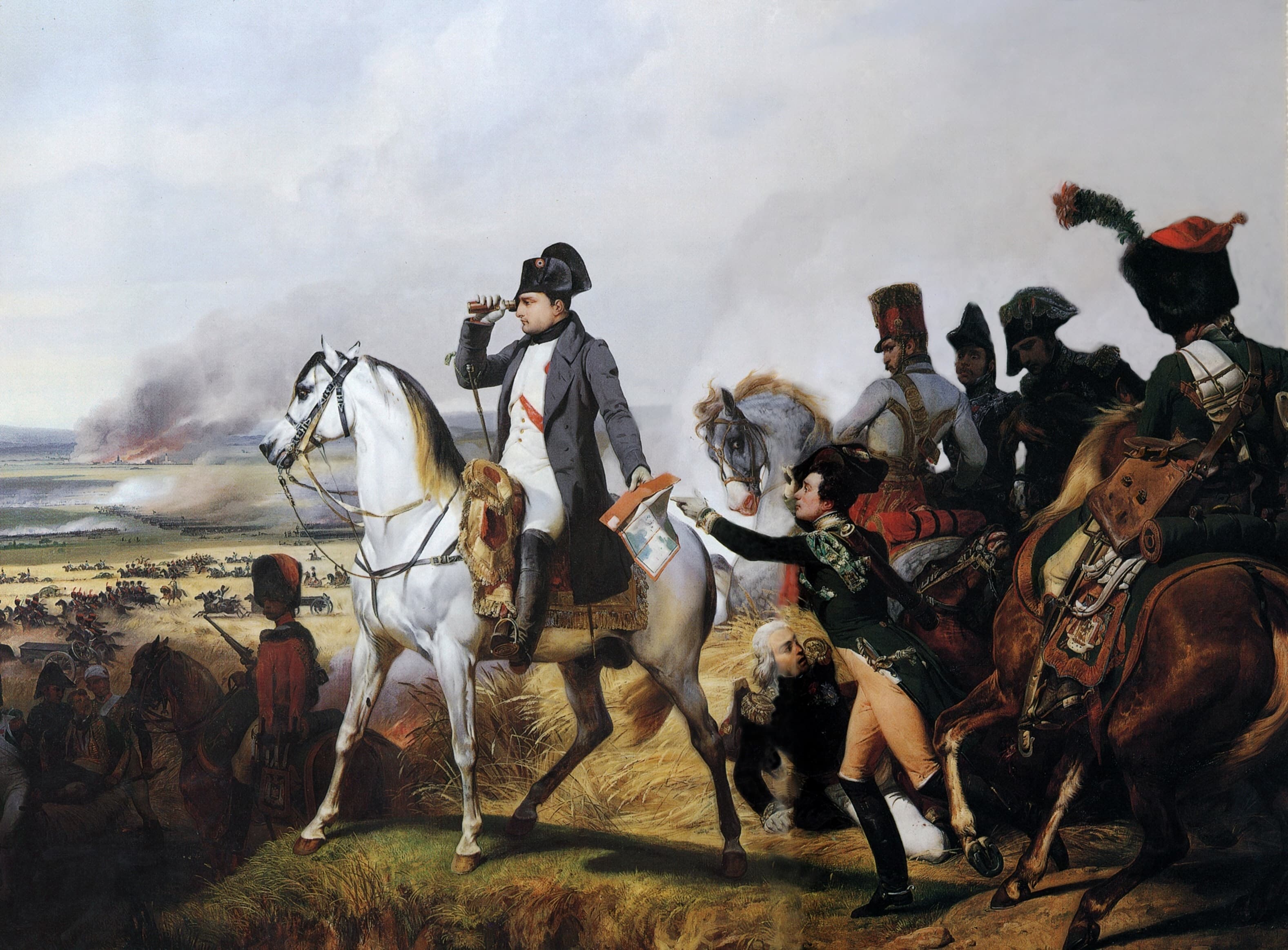
Image credit: "Napoleon at Wagram", Horace Vernet via Wikimedia Commons, in the public domain.