Google took its AI chips into space: a prototype satellite the size of a refrigerator with TPUs on board lifted off on October 1 on the Falcon 9 of the Transporter-18 mission alongside Planet. It is the first flight of Project Suncatcher, the bet on orbital data centers. It was covered by The Register, Aviation Week and NPR.
The mission: to see if the TPUs survive and operate up there. The trip imposes 50-100 shaking gravities; in orbit, radiation (bit flips, cumulative damage) and thermal extremes. On the ground, they have already passed the vibration table and proton beam at UC Davis (dose greater than 5 years of mission), but "some things are only tested in space."
You may also likeLas televisiones chinas apuestan por las series creadas con IAThe prize: in low orbit the panels generate 5-8 times more solar energy than on the ground, almost constantly. If it works, linked constellations would spread training and inference off-planet, dodging the Earth's electricity bill.
The challenges are space textbook: without air there is no convection – heat only comes out through radiators (heat pipes are tested) – and future clusters will need laser links of very high bandwidth at close range (two more satellites in 2027 to validate them; aiming is equivalent to hitting a moving coin for miles).
It is not alone: SpaceX is preparing its test systems by the end of next year (it speaks of up to a million satellites) and Starcloud has already flown an H100 that Gemma raced. The race for orbital computing began with borrowed hardware and foreign rockets.
The brake is economic and physical: commercial viability (launch costs, satellite production) is years away and Google estimates that the kilo in orbit must be around 200 dollars to compete. "A small step for TPUs," Pichai joked. Small, yes; cheap, no.
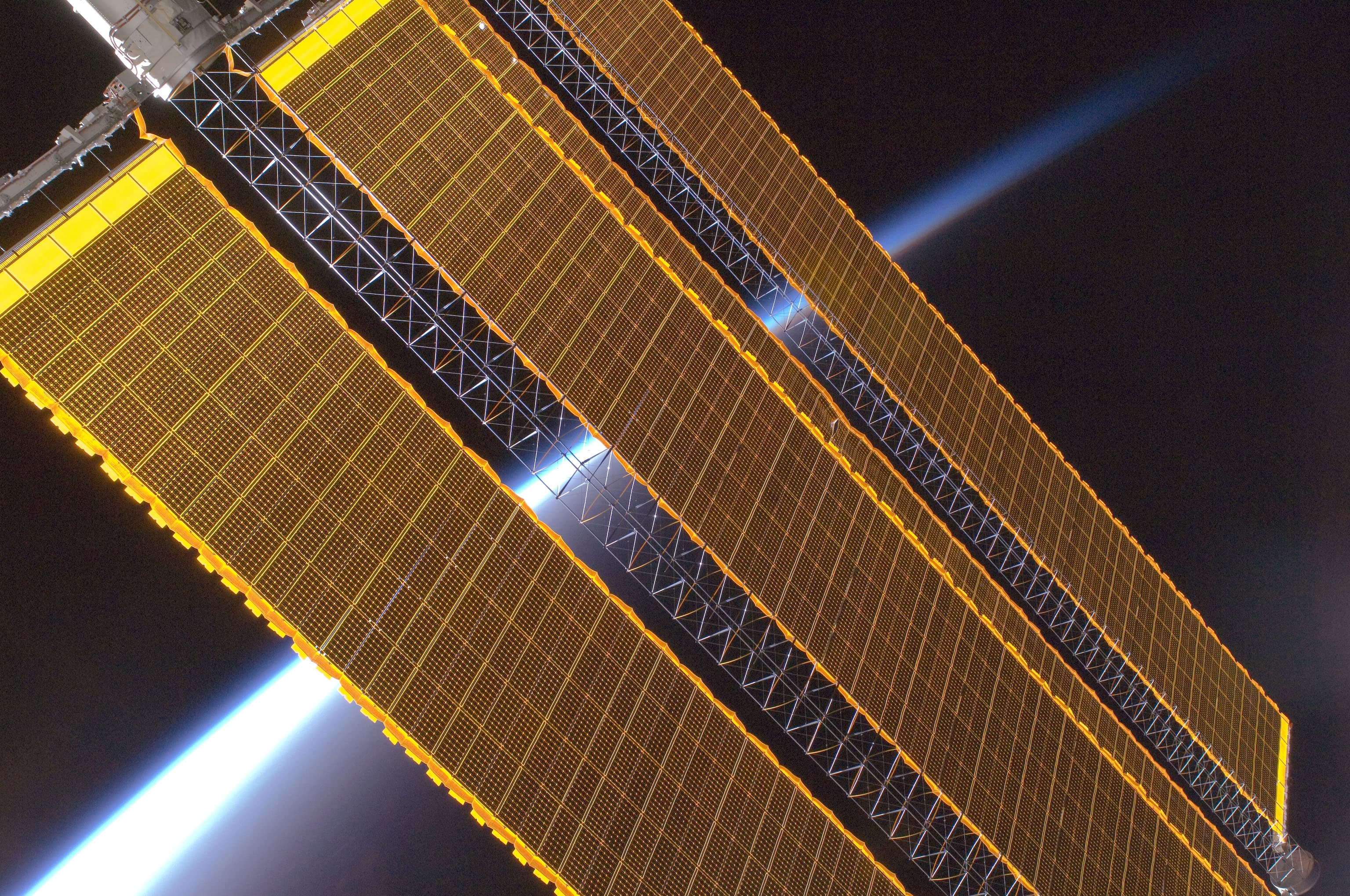
You may also likeBYD decidirá en 18-24 meses si construye su tercera fábrica en Europa, con España en la short listImage credit: ISS above the horizon, NASA via Wikimedia Commons, in the public domain.