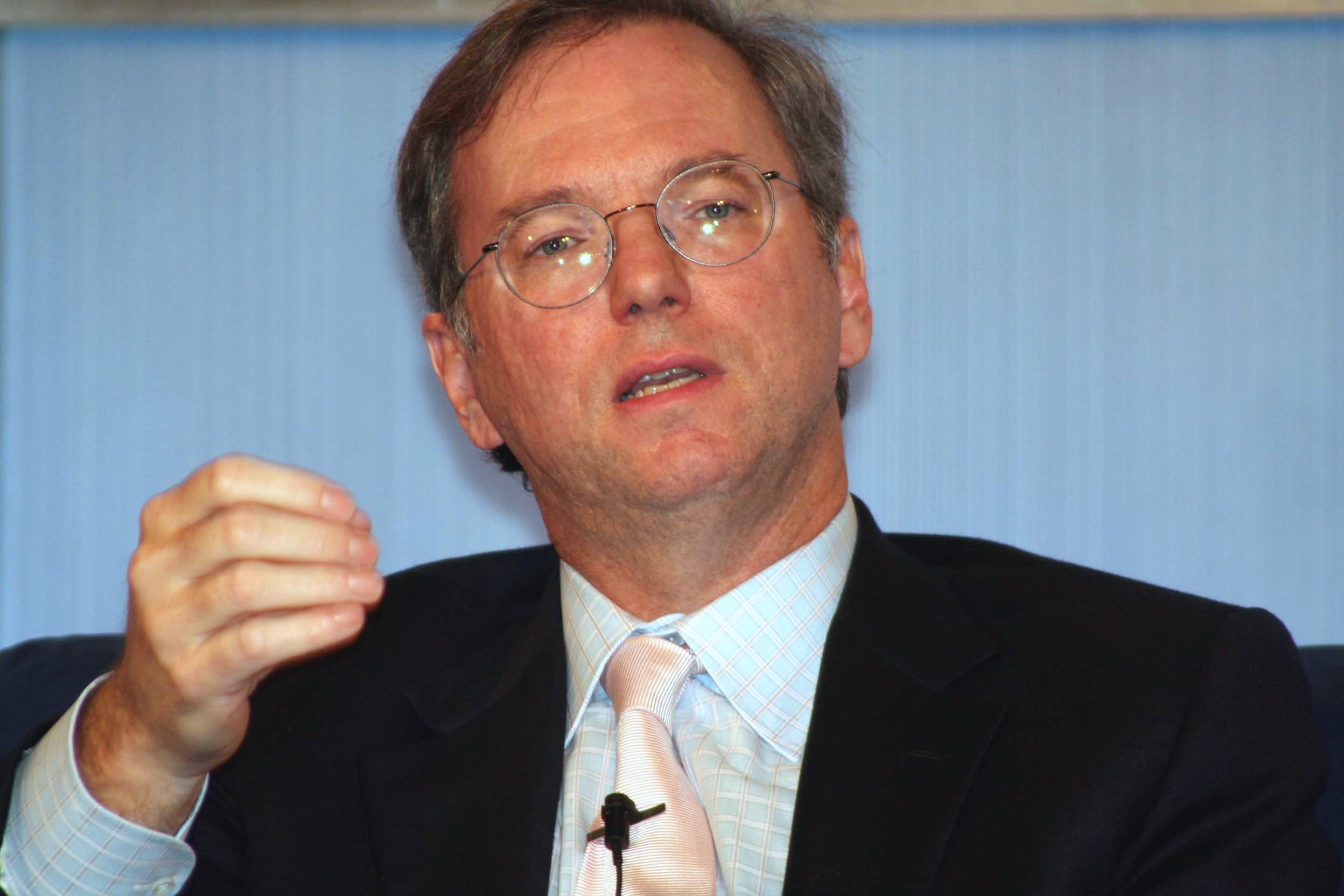
"There's not going to be a pause." Eric Schmidt, former CEO of Google, put it this bluntly to the editor of The Economist: the incentives make a mutual curb on AI between the U.S. and China impossible, and verification is a fantasy. The full interview comes out on Tuesday; the trailer is already circulating.
Their argument is the dilemma of the prisoner in a suit: both would prefer to go slower and safer, but each fears that the other will advance behind closed doors. If Washington pauses and Beijing does not, the US loses the decisive advantage – and vice versa. No one pauses first.
You may also likeAnthropic apunta a 1,8 billones de dólares en su debut en NasdaqAnd verification, Schmidt asks: "How do you verify?" A local lab or China can cheat, and "a UN checkpoint can't read code written by computers or run faster than the U.S." Without credible inspectors, there is no worthwhile treaty.
Your alternative to pause: guardrails plus older models keeping an eye on new ones —monitoring with systems four months older, if the technique proves effective. Progress with built-in brakes, not downtime. Details in Crypto Briefing.
The context is half right: the activism of the pause (six months, they said) never bought time, only headlines. But critics respond that declaring the brake impossible is giving up in advance – and that those who sell inevitability tend to sell haste as well.
What follows on Tuesday: the full interview and, with it, the concrete proposal of what Washington and Beijing should agree on instead of a pause. Whether it is real technical verification or career rhetoric will be seen in the fine print.
You may also likeMicrosoft services almost restored after 24 hours of outageImage credit: Eric Schmidt, JD Lasica via Wikimedia Commons, licensed under CC BY 2.0.