All the information in 3 points:
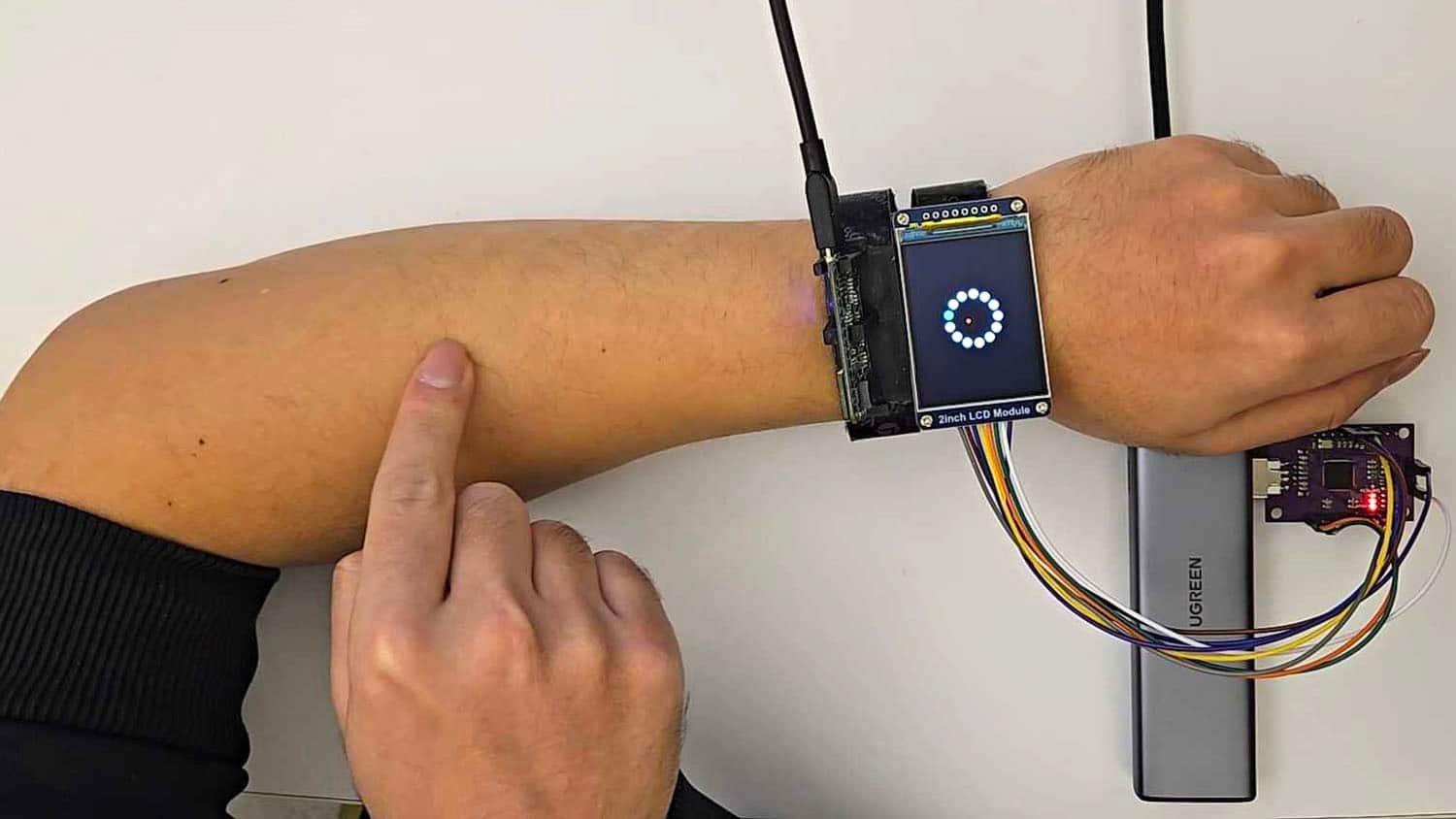
EpiPad, developed by North Carolina State University, turns the skin on the forearm into a touchpad to control smartwatches without touching the screen.
You may also likeElon Musk signs petition to reinstate Jensen Huang as Nvidia CEO2.- It uses a 5 × 4 mm millimeter wave radar integrated into the belt that detects gestures and pressure levels with AI, reaching 92.8% accuracy in gestures and 90.2% in pressure detection.
3.- The sensor allows you to scroll, zoom, press and use several fingers simultaneously; its estimated cost is less than $10.
Researchers at NC State developed EpiPad, a system that transforms the user's forearm into an extended touch surface for smartwatches. The device consists of a compact millimeter-wave (mmWave) radar mounted on a wristband, about the size of a fingernail (5 × 4 mm), which reads the micro-depressions that the fingers produce when pressing on the skin and translates them into commands for the watch.
Without touching the screen: Unlike conventional touchscreens, EpiPad does not require contact with any display. The system identifies movements and pressure levels from changes in radar signals reflected by the skin, allowing gestures such as swiping, zooming, clicking and using multiple fingers at the same time.
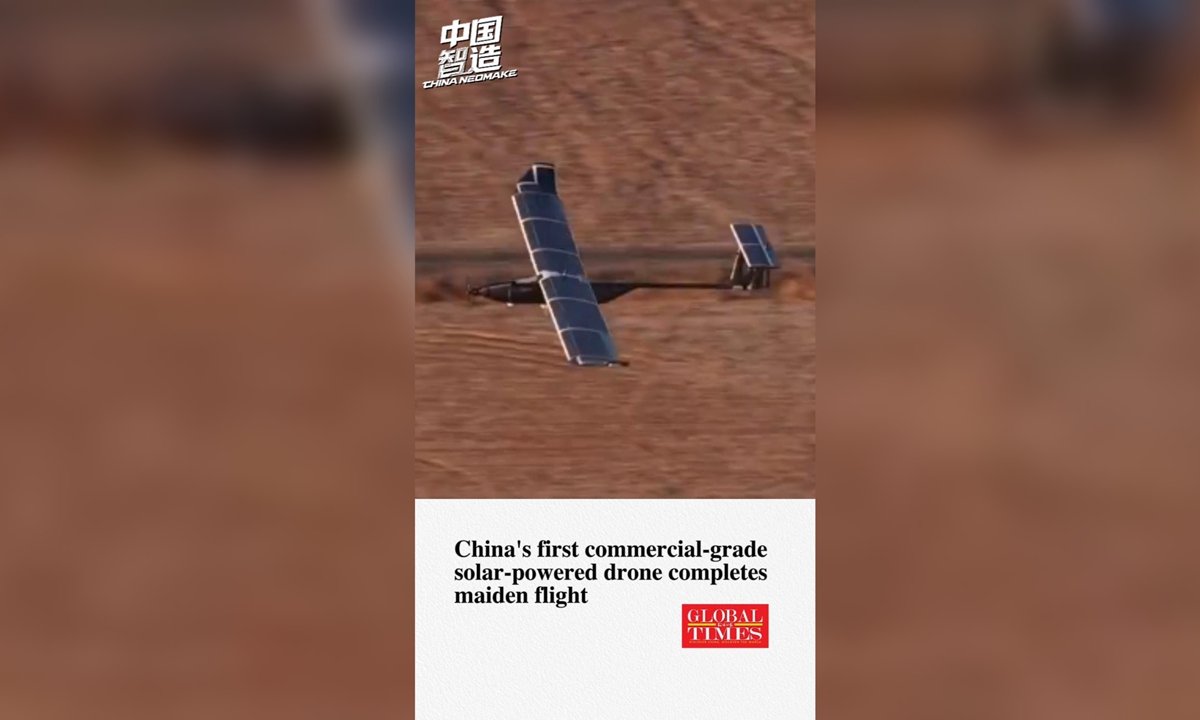
You may also likeChina's Light Cavalry Solar Drone Completes First Flight with 30 Hours of AutonomyAccuracy and calibration: In tests with 20 volunteers, EpiPad achieved 92.8% accuracy in gesture recognition and 90.2% in pressure detection, with an accuracy range of 10.2 mm. The initial calibration process takes less than four minutes.
Applications beyond the watch: The creators suggest that the technology could be used in devices without traditional touchscreens, such as AI smart glasses. The current prototype is a wristband with an exposed circuitry, but the components could be integrated directly into a smartwatch design.
Sources:
- NC State News - New Tech Turns Your Arm Into A Smartwatch Trackpad
- Infobae - Your forearm could become a touchpad
- Infobae - Skin as a screen
- Heise - EpiPad turns the forearm into a trackpad
- ACM - EpiPad paper (DOI: 10.1145/3810191)
You may also likeChina's Light Cavalry Solar Drone Completes First Flight with 30 Hours of Autonomy- Infobae - Your forearm could become a touchpad
- Infobae - Skin as a screen
- Heise - EpiPad turns the forearm into a trackpad
- ACM - EpiPad paper (DOI: 10.1145/3810191)
Image: NC State University