The Energy Information Administration (EIA) projects that U.S. electricity consumption will set records in 2026 and 2027: from a record 4.195 billion kWh in 2025 to 4.288 in 2026 and 4.356 in 2027. The engine, the agency says in its October Short-Term Energy Outlook , is AI datacenters, plus crypto mining and the electrification of heat and transportation.
The structural change is already visible: in 2027 the commercial sector will surpass the residential sector in demand for the first time , with increases of 3.3% in 2026 and 2.7% in 2027. Industrial growth provides another boost (1.6% and 2.6%). Texas, however, paused the connection of new datacenters to the network for a regulatory audit, although its region will continue to concentrate most of the national growth.
You may also likeManifiesto de París: más de cien intelectuales acusan a la oligarquía internacional de amenazar las democraciasThe bill will reach the home: the EIA expects the residential price to rise 5% in 2026 and that the wholesaler will average $52 per MWh (+11%). On the supply side, renewables provide relief: their share of generation will reach 27% in 2027, with solar growing 21% and 18% each year.
The EIA's own January forecast already warned of the strongest four-year growth since 2000 in electricity demand, driven by large computer centers. The press release sums it up bluntly: natural gas will be critical as LNG exports grow and electricity demand rises until 2027.
The global data accompanies this: the IEA estimates that U.S. electricity consumption will grow by about 2% per year on average until 2030 – more than double the last decade – and that datacenters will account for about half of the increase. The era of cheap and unlimited electricity to train models is coming to an end.
For the AI industry, the message is twofold: Computing is no longer just competing for GPUs, but for megawatts. Whoever secures power — like the $100 million in credits announced at the White House science summit — secures their place in the next phase of the race.
You may also likeMicrosoft's CEO says he would rent Musk's AI capacity in spaceSources
EIA: Short-Term Energy Outlook (official) · EIA: statement (official) · Reuters via KELO · @aipost (Telegram)
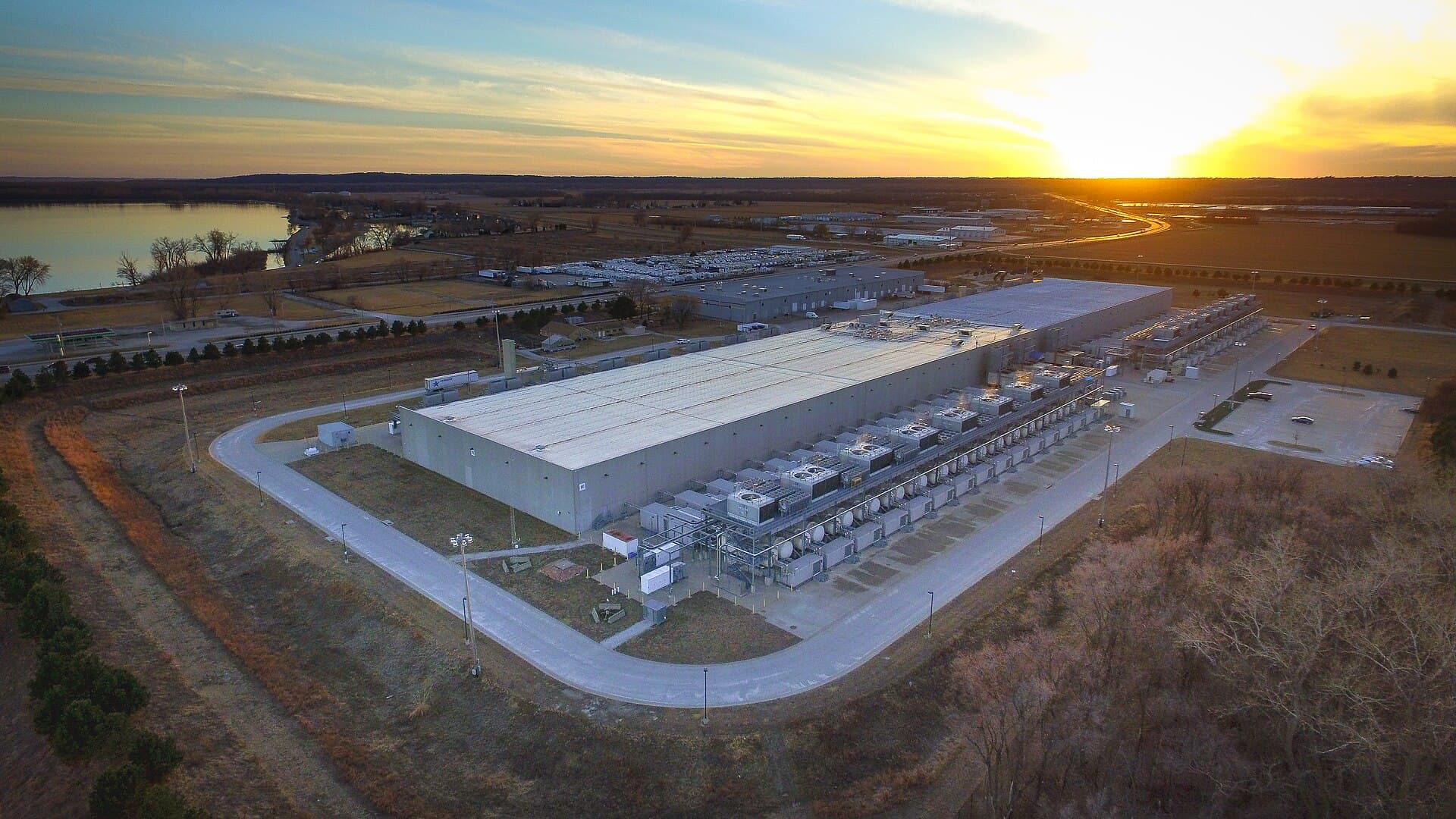
Image credit: Google Datacenter in Council Bluffs, Chad Davis via Wikimedia Commons, licensed under CC BY 2.0.