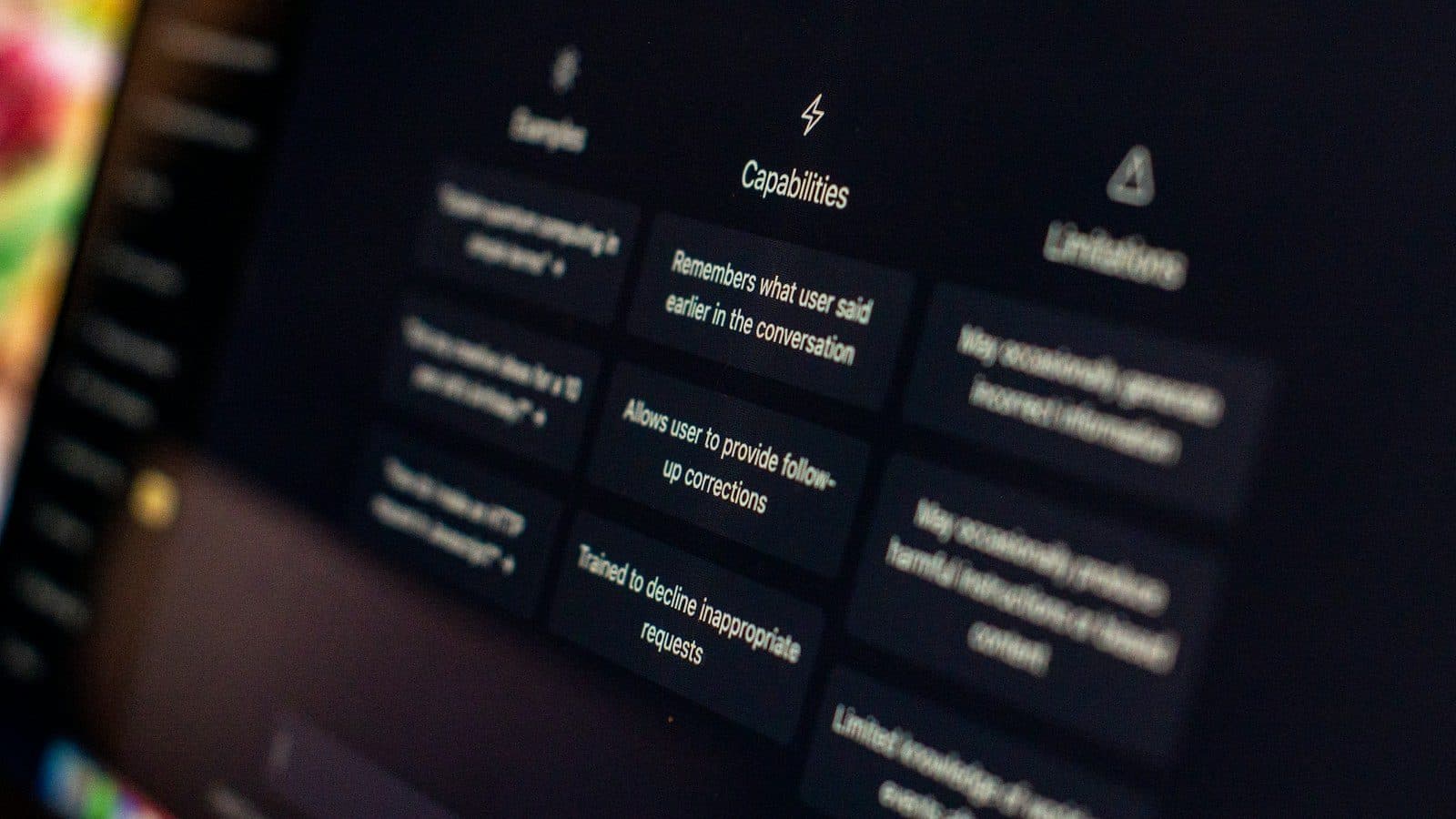
ChatGPT has been accepting audio files within a normal conversation since October 6 : the recording is uploaded and it is asked for transcription, summary, structured notes or follow-up drafts. The novelty came in the October release notes and applies to paid subscriptions and workspaces; the free plan is out for now.
The formats that work best are MP3, WAV and M4A, with an overall limit of 512 MB per file (ChatGPT's global upload limit). Usage quotas also apply: up to 80 files every 3 hours on paid plans and 3 per day on free plans. A failed file can also count against the quota, the help center warns.
You may also likeEuropa se queda atrás en la carrera de la IA: 59 líderes tecnológicos lanzan una advertenciaThe flow is the same as always: attach with the + button, wait for processing and ask for what is needed – minutes of a meeting, key ideas of an interview, translation of a voice note. For live meetings on macOS there is still the Record mode (up to 4 hours per session, with speaker tags).
Nuances matter: the transcription of long files can vary in quality depending on the file, and for subtitles with timestamps or fine diarization, the documented path is still the Speech-to-Text API (maximum of 25 MB per file). If you need forensic precision, don't confuse the shortcut with the lab.
The move closes an obvious gap: until now, the official upload documentation listed documents, spreadsheets, presentations, PDFs and images, but no audio. With the change, a voice recorder becomes a direct input to the chat.
With the free plan excluded, OpenAI is once again using the multimedia features as a paid step. The question for heavy users is arithmetic: how many meetings per month justify the subscription versus the API per use.
You may also likeMicrosoft lanza siete modelos MAI en Ignite: Code 2, Cyber 2 Flash y más a menor costoImage credit: ChatGPT logo, OpenAI via Wikimedia Commons (public domain).