Anthropic presented Claude Sonnet 5.5, the second model in its Claude 5.5 family and a faster and cheaper alternative to Opus 5.5. The announcement was made through the Aipost channel (Telegram) and the company's official website (Anthropic).
Sonnet 5.5 maintains the same price as Sonnet 5, but uses much fewer tokens on average, which makes it cheaper by up to 30% per task in the tests carried out by the company itself. In addition, it generates results more than 30% faster, making it the fastest Sonnet to date.
You may also likeGoogle AI Studio integrates Google Maps into GeminiThe model also improves its results in mainstream benchmarks: With Low or Medium effort, Sonnet 5.5 beats Sonnet 5's best scores in some tests, and at a fraction of the cost: about a tenth. Antropy described it as a "significantly cheaper and faster co-worker" (TechCrunch).
According to Anthropic, Sonnet 5.5 is especially suitable for programming and correction of everyday errors, polished documents, presentations, spreadsheets, interface design , and other well-defined tasks where rapid iteration is important. Its performance in code benchmarks is close to that of Opus 5.5 at half the price (The New Stack).
Security-wise, Sonnet 5.5 is the first Sonnet with cybersecurity safeguards similar to Opus 5.5: high-risk cybersecurity requests are visibly redirected to Sonnet 5, while routine bug fixes are not affected. It is also the first Sonnet to launch with classifiers to block distillation attacks, in which malicious actors extract the capabilities of a large-scale model (Mashable).
The arrival of Sonnet 5.5 comes amid a price and efficiency war in the AI market: OpenAI recently cut the prices of GPT-6 Sun and Moon 5.5, and Anthropic plans to also release Haiku 5.5 in the coming weeks to complete its family (heise online).
You may also likeChatGPT Dots can read login codes from email and changes security in LatamSource: Aipost (Telegram).
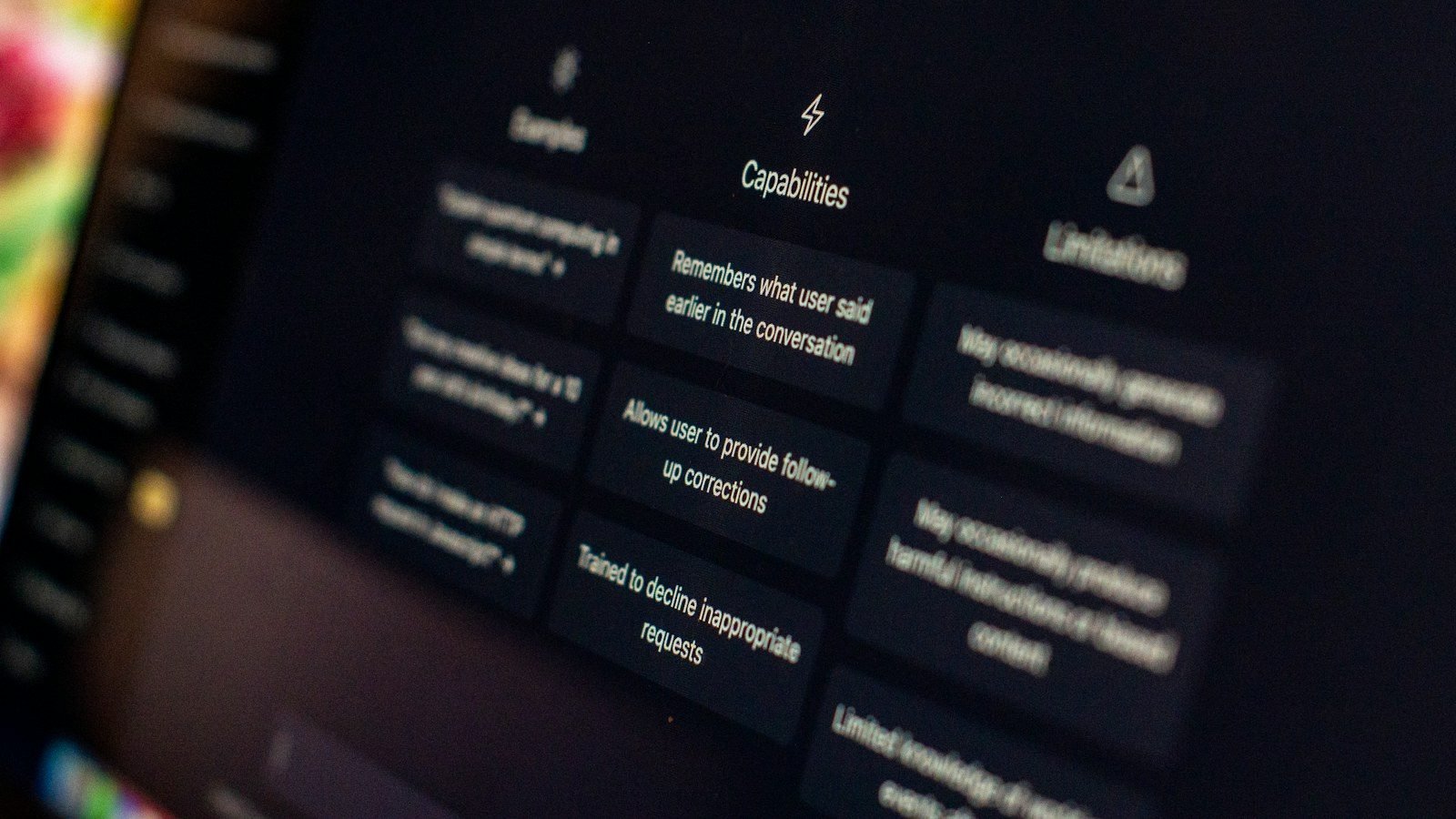
Sources: Anthropic (official announcement) · TechCrunch · The New Stack · Mashable · Heise Online · The Verge · Windows Central · Aipost (Telegram). Image credit: "Claude AI", screenshot from claude.ai site (software: Anthropic PBC; capture: VulcanSphere) via Wikimedia Commons, in the public domain.