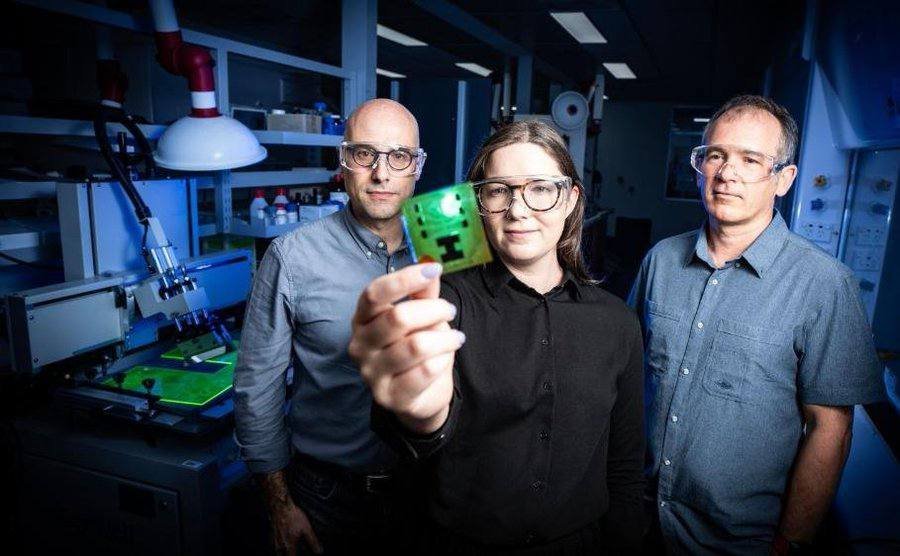
A wearable patch that kills 97% of cancer cells without harming healthy tissue and avoids surgery. It sounds like a science fiction headline, and it is—in part. The study published in ACS Nano in April 2026 describes an elastic, bandage-like patch that releases copper ions when heated with a low-power laser. In tests on mice with melanoma, the lesions were reduced by 97% in ten days. What the headline doesn't say so loudly: It's melanoma (a specific type of skin), it's in mice, and it requires a laser to activate. It's not exactly "put the patch on and forget about cancer."
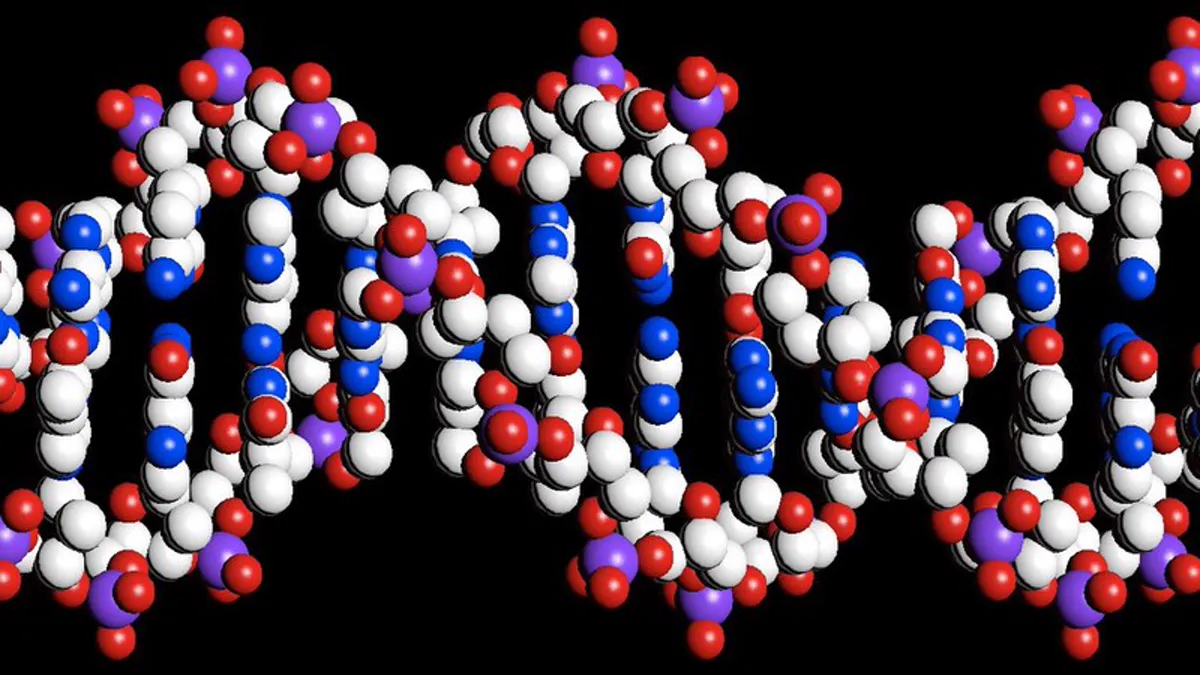
The technology is undoubtedly elegant. A laser-induced, porous, copper(II)-filled graphene material embedded in an elastic silicone polymer. It activates at about 42°C—about the temperature of a hot bath—and releases copper ions that interact with the DNA of cancer cells, killing them by oxidative stress. In lab cultures and in a preliminary 10-day study with mice, the patch reduced melanoma lesions by 97%, cancer cells did not migrate beyond the tumor, and copper did not accumulate in organs or blood. It all sounds perfect. Until you read the fine print.
You may also likeAlphaGenome 2: DeepMind Teaches AI to Read DNA Cell by Cell to Hunt for DiseaseHere comes the necessary skepticism. The results are promising, but they are results in animals. The history of medicine is full of treatments that cured cancer in mice and failed in humans. There are no clinical trials, no dosage data in people, no regulatory approval. The patch is not a replacement for surgery today; it is a preclinical-stage technology that, according to the researchers themselves, could "one day" be used in humans. The jump from mouse to person is where most revolutionary announcements die quietly.
In addition, the scope is more limited than the viral headline suggests. This doesn't cure "the cancer"—it potentially cures superficial melanoma lesions on the skin. It doesn't work for internal tumors, it doesn't work for established metastases, and it doesn't eliminate the need for early detection or sun protection. It's a patch for a very specific type of skin cancer, applied locally, with external activation. Calling it a "cancer-killing patch" is like calling a tape "cardiovascular surgery."
The curious thing is how information circulates. A serious, peer-reviewed study, published in a respectable journal, becomes a headline of "cancer cure without surgery" on social networks and popular sites. Science advances step by step, with caution and replication; the internet advances at headline speed. 97% in mice are transformed into "97% dead cancer cells" without the context of species, type of cancer or stage of development. Scientific dissemination has this problem: nuances are the first thing to be lost on the way to click.
That doesn't detract from the work of Xin Li, Shi Chen, Meijia Gu, Ruquan Ye, and their team. A non-invasive, localized, and non-detectable systemic toxicity treatment for melanoma would be a real breakthrough. But that breakthrough is still in the lab, not in the pharmacy. In the meantime, the patch exists — in mice, with lasers, and with a long way to go before anyone can avoid surgery thanks to it. Sources:
You may also likeDiraq installs the first silicon spin quantum computer in a commercial data centerYou may also likeDiraq installs the first silicon spin quantum computer in a commercial data centerCover credit: Image from the study via EurekAlert! / ACS Nano.